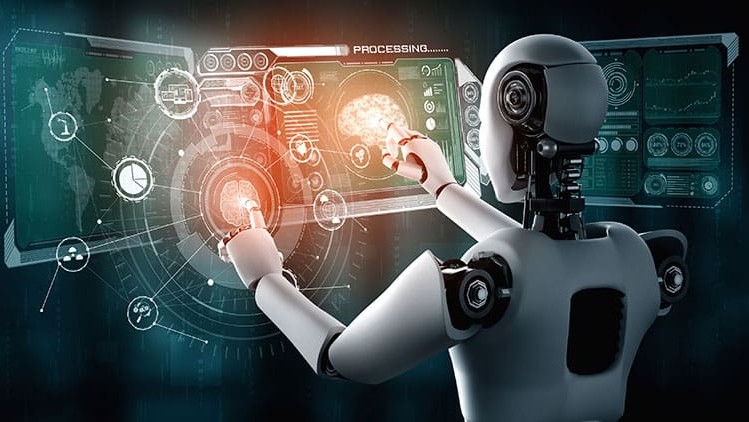
The latest technologies in IT are shaping the future of industries and transforming how we interact with the digital world. Here are a few key trends:
Artificial Intelligence (AI) and Machine Learning (ML): AI continues to advance, with applications in natural language processing, image recognition, and predictive analytics. Companies are leveraging ML algorithms to enhance decision-making, automate processes, and improve customer experiences.
Cloud Computing: The shift to cloud-based solutions has accelerated, with businesses adopting hybrid and multi-cloud strategies. This flexibility allows for better scalability, cost efficiency, and remote access to resources.
Edge Computing: As IoT devices proliferate, edge computing is gaining traction. By processing data closer to its source, it reduces latency and bandwidth use, enhancing the performance of applications in real-time.
Cybersecurity Innovations: With increasing cyber threats, the focus on robust cybersecurity measures is paramount. Technologies like zero-trust architecture, AI-driven security analytics, and automated incident response systems are becoming essential.
Blockchain: Beyond cryptocurrencies, blockchain technology is being explored for its potential in secure transactions, supply chain transparency, and decentralized applications. Its ability to provide immutable records is transforming various sectors.
5G Technology: The rollout of 5G networks is revolutionizing connectivity, enabling faster data transfer, lower latency, and the proliferation of smart devices. This is paving the way for advancements in IoT, augmented reality (AR), and virtual reality (VR).
Quantum Computing: Though still in its infancy, quantum computing promises to solve complex problems much faster than traditional computers. This technology could revolutionize fields like cryptography, material science, and drug discovery.
These technologies are not only driving innovation but also posing new challenges in terms of ethics, privacy, and workforce adaptation, making it an exciting time for IT professionals.







Comments
pHqghUme:
555